Can Physiotherapy Help with Back Pain During Pregnancy?
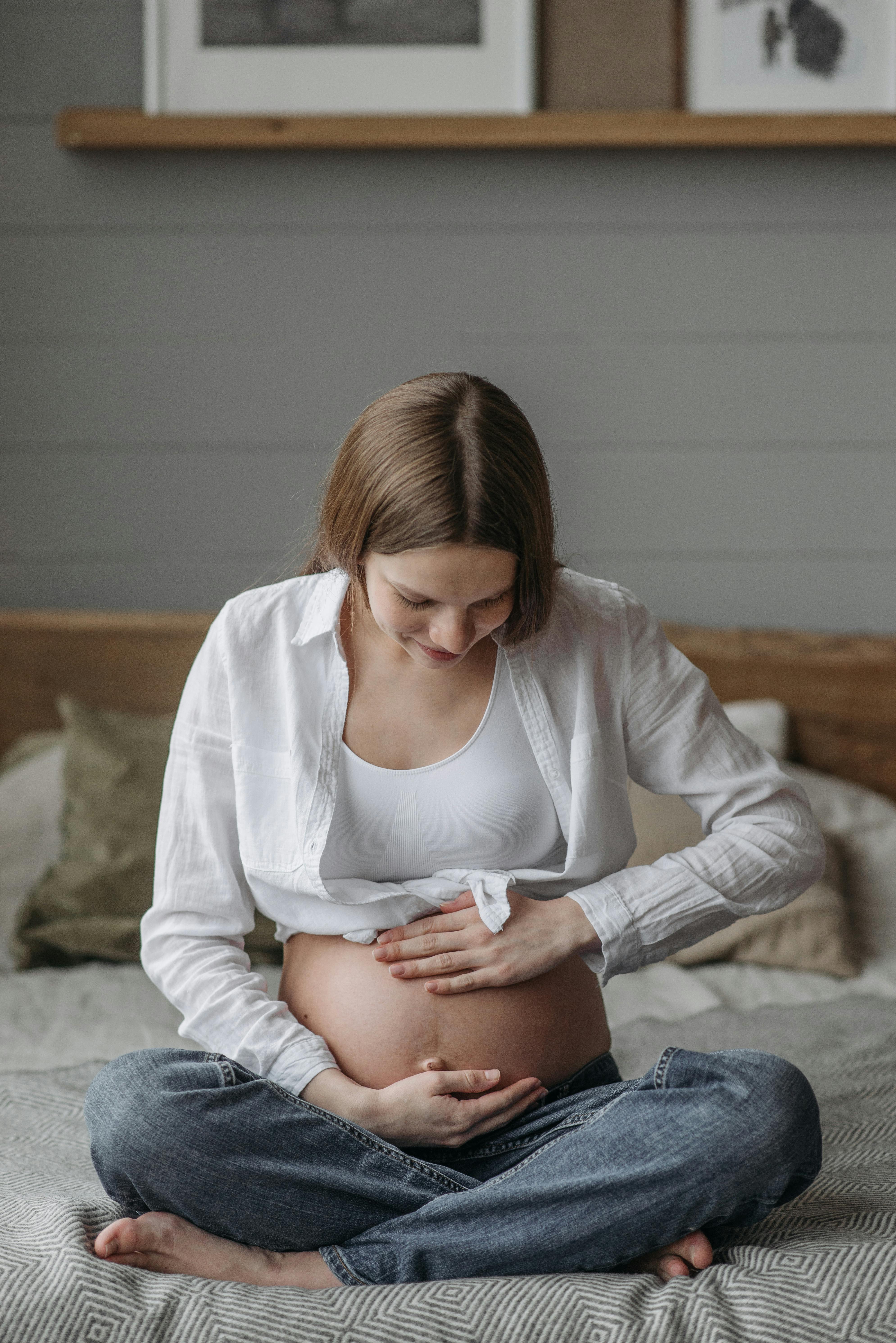
Understanding Back Pain During Pregnancy
Back pain during pregnancy is a common concern, affecting many expectant mothers. Hormonal changes, weight gain, and shifts in posture can contribute to discomfort in the lower back and pelvis. Prenatal physiotherapy programs are designed to help women manage these changes safely while maintaining mobility and comfort throughout their pregnancy. With the right guidance, back pain can be reduced, allowing expectant mothers to stay active and healthy.
How Can Physiotherapy Help Pregnant Women With Back Pain?
Physiotherapy can be highly effective in managing pregnancy-related back pain. Safe exercises for pregnant women with back pain strengthen the supporting muscles, improve posture, and reduce tension in the lower back. Combining gentle stretches with targeted strengthening exercises as part of a prenatal physiotherapy program ensures both mother and baby remain supported while alleviating discomfort. These approaches help maintain functional strength and prepare the body for labor.
Pelvic Floor Physiotherapy for Stability and Comfort
Pelvic floor physiotherapy during pregnancy can play a crucial role in managing back pain and supporting overall pelvic stability. Exercises that target the pelvic muscles help reduce pressure on the lower back, improve balance, and enhance core strength. At Koster Clinic, our prenatal physiotherapy services integrate pelvic floor techniques, giving mothers-to-be a holistic program that addresses both back discomfort and pelvic health.
When to Seek Professional Prenatal Physiotherapy
Persistent or severe back pain during pregnancy may require professional intervention. Prenatal physiotherapy specialists can tailor programs to each individual, incorporating gentle strengthening, mobility work, and pelvic floor support. Early intervention helps prevent worsening pain, supports better posture, and enhances overall pregnancy comfort, ensuring a healthier, more active journey for both mother and baby.